
What to Expect
Spinal Decompression Therapy
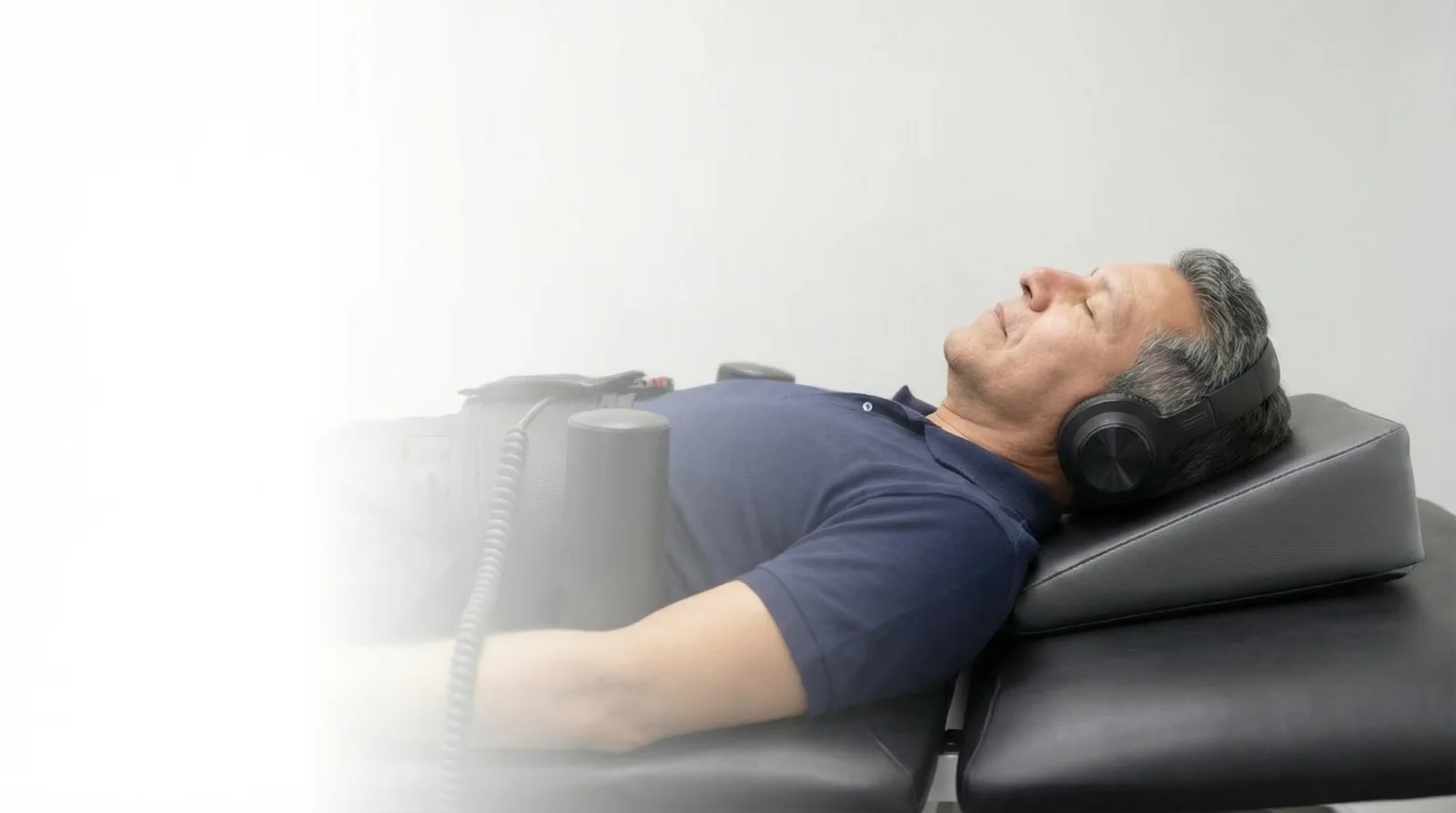
Spinal decompression is a form of spine-specific rehabilitation designed to reduce pressure on damaged discs. It uses computer-controlled technology to gently unload the spine, reducing disc pressure so the body can heal.
Our network includes providers across the country using research-grade equipment and vetted treatment protocols—overseen by a medical advisory board of MDs, DCs, and nurse practitioners.
If you’re exploring alternatives to surgery or ongoing pain management, you’re in the right place.
What to Expect
Spinal Decompression Therapy
Spinal decompression is a form of spine-specific rehabilitation designed to reduce pressure on damaged discs. It uses computer-controlled technology to gently unload the spine, reducing disc pressure so the body can heal.
If you’re exploring alternatives to surgery or ongoing pain management, you’re in the right place.
Who Is Spinal Decompression For?
Spinal decompression is most often considered by people experiencing disc-related pain that hasn’t responded to other conservative treatments. This includes conditions like herniated discs, bulging discs, degenerative disc disease, and sciatica caused by disc compression.
It’s typically explored by patients who want to avoid surgery, have been told surgery is an option, or are looking for an alternative to repeated injections or long-term medication.
Not everyone is a candidate. Certain conditions—like spinal fractures, severe osteoporosis, or some types of prior surgery—may rule out this approach. That’s why evaluation is the essential first step.
See Candidacy RequirementsCore Mechanism
How Does Spinal Decompression Work?
Spinal decompression uses computer-controlled systems to apply precise, cyclical force to the spine—reducing pressure on targeted discs.
As a spine-specific rehabilitation discipline, it’s fundamentally different from basic traction, inversion tables, or passive stretching. These systems are designed to work around the body’s natural guarding response, allowing controlled unloading that reduces disc pressure, eases nerve compression, and improves the mechanical environment for healing.
Because this is spine-specific rehabilitation—not a one-time fix—the therapy is delivered over a course of sessions, typically 20 to 30, depending on the condition severity and individual response.
Learn How Spinal Decompression WorksWhat to Expect From the Process
If you decide to explore spinal decompression, here’s what the process typically looks like:
Evaluation
Your provider reviews your history, imaging, and symptoms to determine if you’re a candidate.
Treatment Plan
If appropriate, a care plan is developed based on your specific condition and goals.
Treatment Sessions
Sessions are typically 30-45 minutes. Most patients require 20-30 sessions over several weeks, depending on their condition.
Progress Monitoring
Your provider tracks your response and adjusts as needed throughout the course of care.
Common Questions People Ask
We know all of this information can feel quite overwhelming and you’re going to have a lot of questions. That’s why our experts explain it all as simply as possible right here.




Why isn’t this covered by insurance?
Understanding insurance classifications and what they mean.
Read More
How do I know if I’m a candidate?
The factors that determine whether this approach is appropriate for you.
Read More
What are the first steps?
How to move from research to evaluation with a qualified provider.
Read MoreHow Is Spinal Decompression Different From Other Approaches?
Spinal decompression is distinct from traction, inversion tables, chiropractic adjustments, and passive stretching. While these approaches may share surface similarities, the mechanism, precision, and clinical intent are different.
It’s also different from injections and surgery—those are interventional, while decompression is conservative and non-invasive.
Understanding these distinctions can help you evaluate where this therapy fits in the spectrum of available options.
Compare Spinal Decompression to Other TreatmentsResults & Expectations
Outcomes vary based on condition, severity, and individual response. Most patients who complete a full course of treatment report meaningful improvement in pain and function.
Spinal decompression is not a guaranteed cure—no treatment is. But it’s a low-risk, conservative option worth exploring before considering surgery or other irreversible procedures.
- Improvement is typically gradual over the course of treatment
- Some patients experience significant relief; others experience moderate improvement
- Realistic expectations are set during evaluation
Additional Spinal Decompression Resources
In our experience, these are the 5 questions people ask most when exploring whether spinal decompression is right for them.

What does spinal decompression cost?

Is spinal decompression safe?

What conditions does it treat?

How long does treatment take?

Is there a provider near me?
Ready to Learn More?
Find out if spinal decompression might be right for your situation. Our assessment helps match your symptoms and history to determine if you’re a potential candidate.
Take the AssessmentGet Started
We've got your info!
We don't have a preferred provider in your area just yet, but we'll reach out as soon as one becomes available.


Find a Preferred Provider
Enter your zip code to see if a credentialed provider is available near you.
Why choose a preferred provider?