
Spinal Decompression vs. Spinal Surgery
Surgery is permanent. That's what makes this decision so important — and why understanding spine-specific rehabilitation as a reversible alternative matters before you commit to something irreversible.
The Core Difference
Reversible vs. Irreversible
This is the single most important distinction between spinal decompression and surgery: one is reversible. The other isn't.
Spinal decompression — more accurately described as spine-specific rehabilitation — is a non-invasive, mechanical intervention. If it doesn't produce the expected results, you stop. Nothing has been cut, fused, removed, or permanently altered. Your options remain open.
Surgery permanently changes the anatomy of your spine. Disc material is removed. Vertebrae may be fused. Hardware may be implanted. If the outcome isn't what was hoped for, the original anatomy cannot be restored. Additional surgery may be needed.
This is not an argument against surgery. It's a statement about the logic of sequencing: explore reversible options before committing to irreversible ones.
When Surgery Makes Sense
Surgery Has a Clear Role
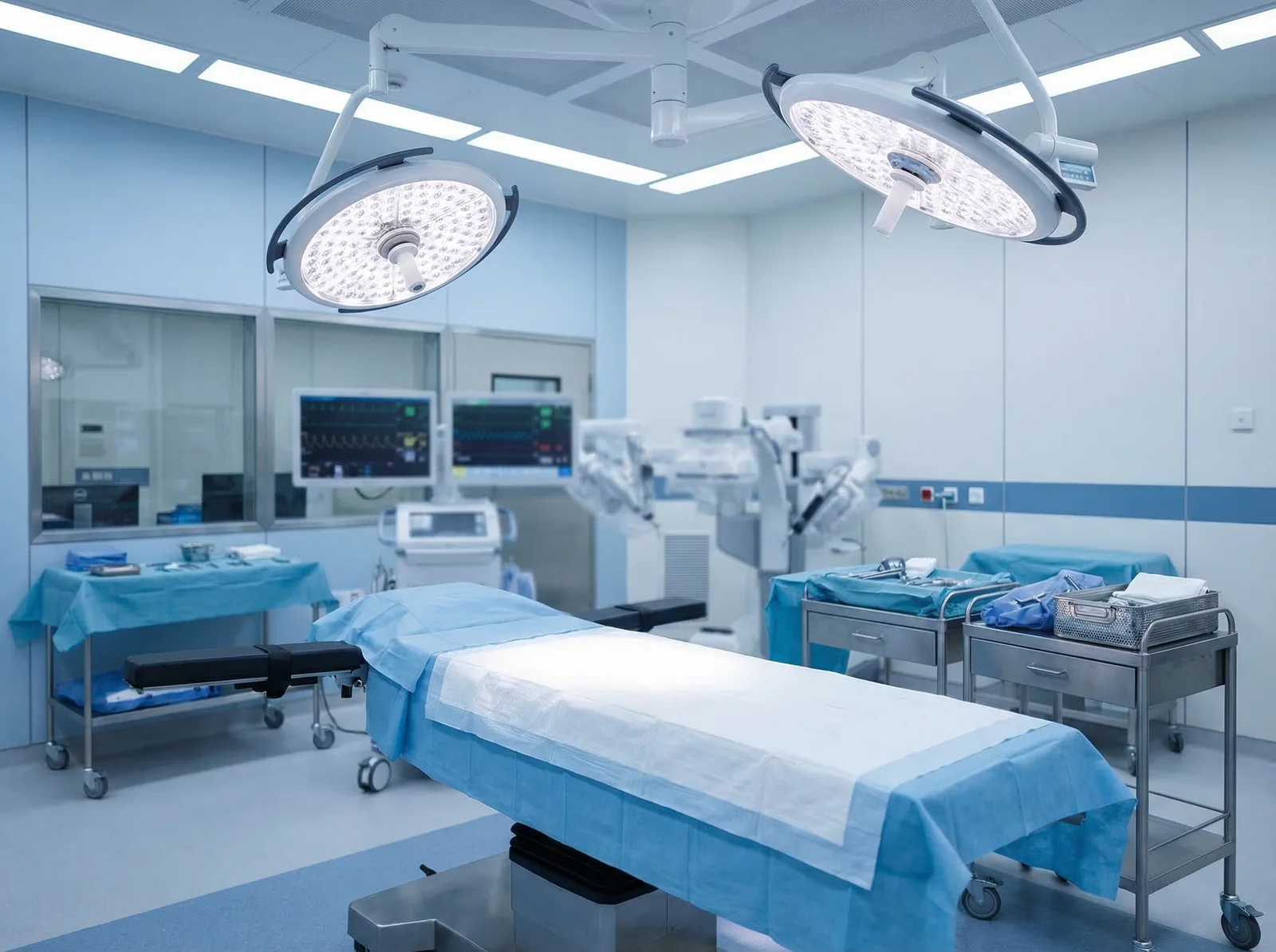
Spinal surgery is the right intervention when specific clinical criteria are met. These typically include progressive neurological deficits (increasing weakness, loss of bowel or bladder control), structural instability that cannot be managed conservatively, or severe compression that creates urgent risk of permanent nerve damage.
In these cases, surgery isn't just an option — it may be medically necessary. No responsible platform would suggest otherwise.
The question this page addresses is different: for the large number of patients who are considering surgery but don't meet urgent surgical criteria — patients with persistent pain, failed conservative treatments, or a recommendation from a surgeon — is there a reasonable conservative option left to explore before making a permanent decision?
"My surgeon says I need surgery. Should I still consider decompression?"
If your surgeon has identified an urgent surgical indication — progressive neurological deficit, structural instability, or cauda equina syndrome — that requires immediate attention. But if the recommendation is based on persistent pain and failed conservative care, it's worth asking whether all conservative options have actually been explored. Many patients are recommended surgery after PT and injections without ever being evaluated for spine-specific rehabilitation.
The Conservative Option
What Spine-Specific Rehabilitation Offers Before Surgery
For patients with disc-level problems who don't meet urgent surgical criteria, decompression offers something unique: a targeted, non-invasive attempt to influence the mechanical environment at the affected segment before resorting to permanent structural change.
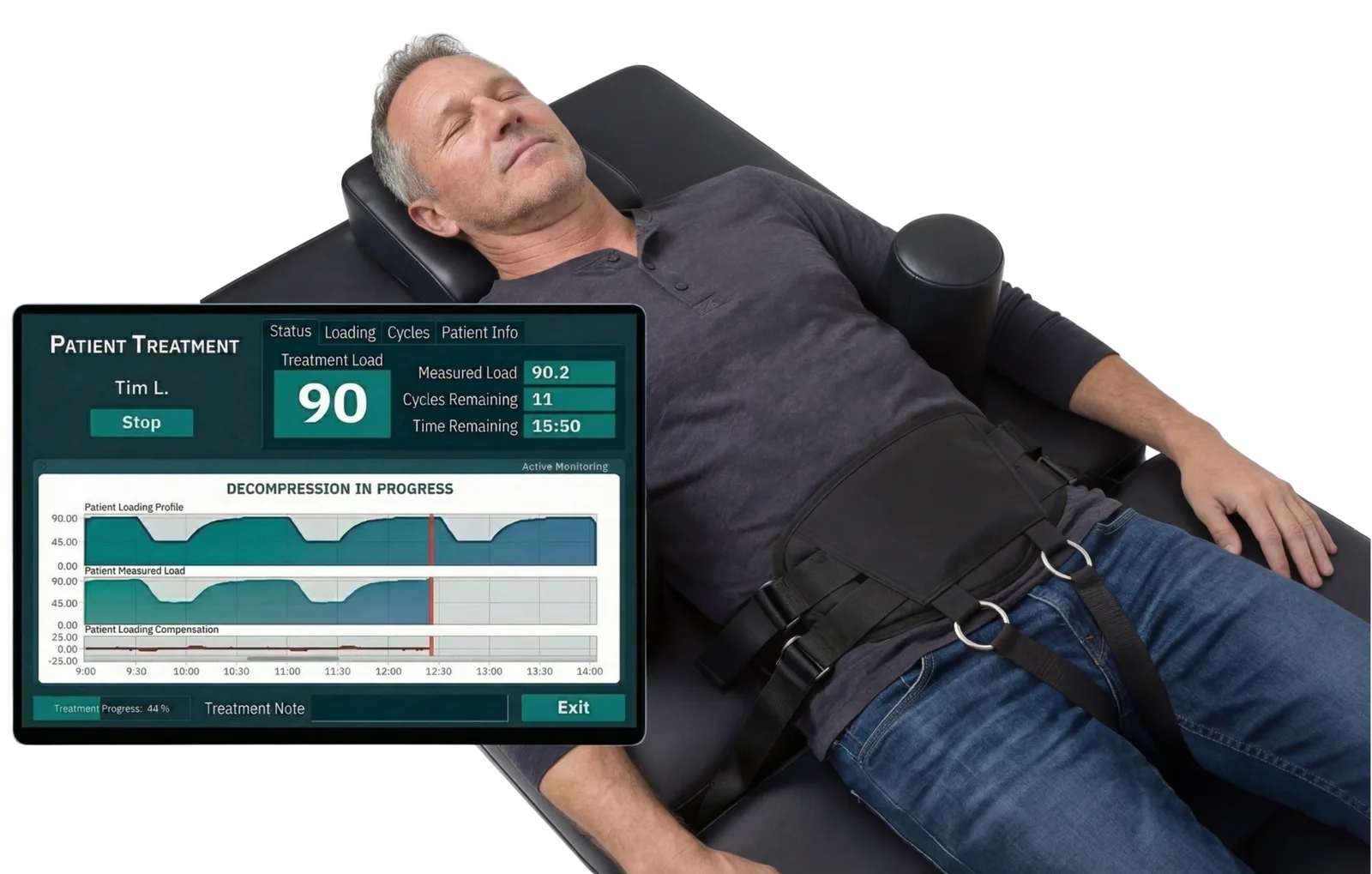
The computer-controlled cyclical loading protocol targets the specific disc level, bypassing muscle guarding to reduce mechanical compression on nerve structures over a structured course of treatment. See how the full mechanism works →
If it works, surgery may become unnecessary. If it doesn't produce adequate improvement, surgery remains available. Nothing has been lost except time — and for a permanent decision, that time is well invested.
Feature Comparison
Side by Side
| Feature | Spinal Surgery | Spinal Decompression |
|---|---|---|
| Reversibility | Irreversible — permanently alters spinal anatomy | Fully reversible — if it doesn't work, you stop with no permanent change |
| Mechanism | Direct structural modification — removal of disc material, fusion, hardware implantation | Non-invasive cyclical mechanical loading targeting the disc environment |
| Risk profile | Infection, nerve damage, failed back surgery syndrome, hardware complications, adjacent segment disease | Non-invasive — no incisions, no needles, no anesthesia. Adverse events are rare and typically minor |
| Recovery time | Weeks to months — restrictions on activity, lifting, driving | No downtime — patients return to normal activity immediately after each session |
| Treatment course | Single procedure (surgery itself) plus rehabilitation | Structured course of 20–30 sessions over several weeks |
| Cost | $20,000–$100,000+ depending on procedure and facility | $2,500–$10,000 for complete corrective care course |
| Insurance | Typically covered with prior authorization and documented conservative care failure | Typically not covered — structured as flat-cost care program |
| Best suited for | Urgent neurological compromise, structural instability, failed comprehensive conservative care | Disc-level problems without urgent surgical indication where conservative care hasn't been fully explored |
An Important Reality
Failed Back Surgery Syndrome Is Real
Not every spinal surgery produces the expected outcome. Failed back surgery syndrome (FBSS) affects a meaningful percentage of surgical patients — some studies suggest 10–40% depending on the procedure and criteria used.
Patients with FBSS experience persistent or recurrent pain after surgery, sometimes worse than before. Additional surgeries may be recommended, creating a cycle of escalating intervention with diminishing returns.
This reality is not presented to frighten anyone away from surgery when surgery is genuinely needed. It's presented to underscore why exploring a reversible option first — when the clinical situation allows — is a rational decision, not a fearful one.
This is not an argument against surgery
Spinal surgery saves and transforms lives when it's the right intervention for the right patient at the right time. This comparison exists to help patients understand that when their condition doesn't require urgent surgical intervention, exploring a reversible, non-invasive option first is consistent with clinical guidelines and basic medical logic. Surgery can always follow conservative care. But conservative care cannot undo surgery.
Try Reversible First
Clinical guidelines consistently recommend exhausting conservative options before proceeding to surgery. Spine-specific rehabilitation is a conservative option many patients haven't been offered.
Related Pages


Find a Preferred Provider
Enter your zip code to see if a credentialed provider is available near you.
Why choose a preferred provider?Ready to Find Out If You're a Candidate?
Take our quick 3-minute assessment to see if spinal decompression may be appropriate for your situation. It's free, confidential, and takes just a few questions.
Take the AssessmentGet Started
We've got your info!
We don't have a preferred provider in your area just yet, but we'll reach out as soon as one becomes available.