
Post-Surgical Pain and Spinal Decompression
If you've had spinal surgery and still experience pain, you already know that not every treatment works as expected. Whether spinal decompression has a role depends entirely on what's happening in your spine now — not what happened during surgery.
 Decompression may be an option for some post-surgical patients — but hardware, fusion, and surgical history create specific limitations that must be evaluated individually.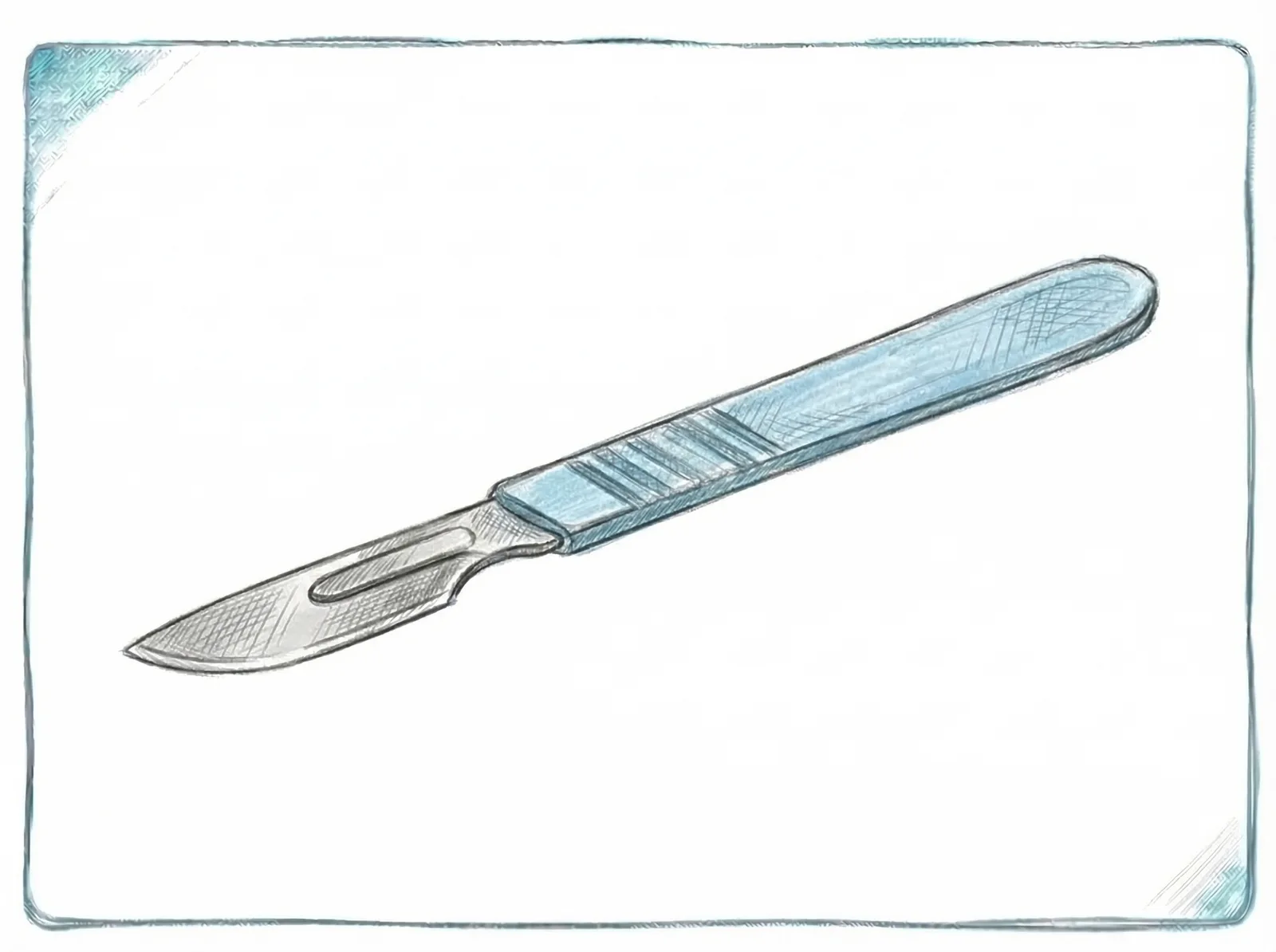
Understanding Your Situation
What Is Post-Surgical Pain?
Post-surgical pain — sometimes called Failed Back Surgery Syndrome (FBSS) — refers to persistent or recurring pain after spinal surgery. It doesn't mean the surgery was performed incorrectly. It means the pain problem wasn't fully resolved, or new issues have developed since the procedure.
This is more common than most patients expect. Studies show that a significant percentage of spinal surgery patients continue to experience some degree of pain after their procedure.

If You're Reading This Page
You've already been through a lot. You made a significant decision to have surgery, went through recovery, and are now dealing with the reality that the pain didn't fully resolve — or has come back.
That's an exhausting place to be. And you're right to be skeptical of anyone promising easy answers at this point. This page isn't going to do that. What it will do is explain, honestly, when decompression might have a role for post-surgical patients — and when it doesn't.
The Critical Question
Where Is Your Pain Coming From Now?
Post-surgical pain can originate from several sources, and the source determines whether decompression is relevant. The most important distinction is whether the pain is coming from the level that was operated on or from adjacent segments that weren't.
Adjacent Segment Problems
- New disc herniation or degeneration at levels above or below the surgical site
- Pain pattern consistent with a different spinal level than what was operated on
- No hardware or fusion at the segments being considered for treatment
- Imaging confirms disc pathology at non-surgical levels correlating with current symptoms
Hardware-Related or Same-Level Issues
- —Pain originating from the fused or instrumented level
- —Hardware failure, loosening, or malpositioning
- —Scar tissue (epidural fibrosis) as the primary pain generator
- —Non-union or pseudoarthrosis at the fusion site
- —Pain from the hardware itself (pedicle screw irritation)
Why surgical history makes this more complex
Spinal decompression applies mechanical forces to the spine. When hardware is present — rods, screws, cages, plates — the forces interact with altered biomechanics. Treatment cannot be applied at levels where fusion or instrumentation exists. This isn't a judgment about decompression's capabilities. It's physics. Metal doesn't respond to controlled unloading the way biological disc tissue does.
When It Applies
How Decompression May Help Post-Surgical Patients
For the subset of post-surgical patients where adjacent segment disc problems are contributing to ongoing pain, here's the rationale.
Addressing Adjacent Segment Disc Problems
After spinal fusion, the segments above and below the fused level may experience increased mechanical stress. Over time, this can lead to disc degeneration, bulging, or herniation at those adjacent levels. While decompression cannot treat fused or instrumented levels, resolve scar tissue, or undo surgical changes, it can target those non-fused segments using the same principles applied to any disc problem.
Reducing Load on Stressed Segments
Controlled unloading at adjacent levels may alter intradiscal pressure and reduce nerve irritation caused by compensatory stress. The approach is the same mechanistically — what's different is the clinical context and the need for precision around surgical hardware.
Supporting Function After Surgery
Post-surgical patients often have altered biomechanics, guarding patterns, and reduced mobility. When decompression is appropriate, the functional goals are the same: improved tolerance to movement, reduced pain with daily activities, and better quality of life.
“"Not every patient is a candidate, and saying that openly is what builds trust. The providers I respect most are the ones who turn away patients they can't help — because it means the patients they do treat get better outcomes."
Setting Expectations
What Post-Surgical Patients Should Realistically Expect
Post-surgical patients carry more complexity than most. Expectations should reflect that.
Evaluation Is More Involved
Your surgical history, current imaging, hardware placement, and symptom pattern all need to be assessed. This isn't a condition where a quick screening determines candidacy. Thorough evaluation with a provider experienced in post-surgical cases is essential.
Outcomes Are Less Predictable
Post-surgical spines have altered biomechanics, scar tissue, and potentially sensitized nervous systems. Response to decompression may be more variable than in patients who haven't had surgery. Honest providers acknowledge this.
Improvement May Be Partial
The goal is meaningful improvement in function and quality of life — not a return to a pre-surgery or pre-injury state. Some degree of residual limitation is common in post-surgical patients regardless of what conservative treatment is applied.
This Is About the Adjacent Problem, Not the Surgery
When decompression helps a post-surgical patient, it's because it addressed a disc problem at a non-surgical level — not because it fixed anything related to the surgery itself. Understanding this distinction is important for realistic expectations.
If your surgeon has advised against conservative therapy
If your surgical team has specifically advised against mechanical intervention at any level, that guidance should be respected. A decompression provider should always coordinate with your surgical team when treating a post-surgical patient. If they don't ask about your surgical history in detail, that's a concern.
About Ongoing Management
Post-surgical patients with adjacent segment degeneration may benefit from periodic maintenance after completing corrective care, as the altered biomechanics from surgery can continue to stress adjacent levels over time.
Maintenance care is always optional, offered separately, and recommended only when clinically appropriate.
Candidacy
Are You a Candidate?
Candidacy for post-surgical patients is the most nuanced of any condition on this site. It depends not just on your current symptoms, but on your complete surgical history, hardware placement, and the specific source of your ongoing pain.
Favorable Indicators
- New disc pathology at segments above or below the surgical level
- No hardware or fusion at the levels being considered for treatment
- Symptoms correlating with adjacent segment changes on imaging
- Surgical team has not advised against conservative mechanical intervention
- Adequate healing time since surgery (typically 6+ months minimum)
- Realistic expectations about potential improvement
Contraindications & Limitations
- —Hardware or fusion present at the level requiring treatment
- —Pain originating primarily from scar tissue or hardware complications
- —Active hardware failure, loosening, or infection
- —Surgical team has advised against mechanical intervention
- —Recent surgery with incomplete healing
- —Spinal instability at or near surgical levels
Bring your complete surgical records to your evaluation. Operative reports, post-surgical imaging, and your surgeon's notes are essential for any provider evaluating a post-surgical patient for decompression. A provider who doesn't review these materials thoroughly before recommending treatment is not evaluating you properly.
Common Questions From Post-Surgical Patients
Questions specific to patients who've already had spinal surgery.

Can decompression be done on a fused spine?
Not at the fused level. But if disc problems exist at non-fused segments above or below the fusion, those segments may be treatable. Your hardware placement determines what's possible.
Read More →
Is this safe after spinal surgery?
When properly evaluated and when treatment is applied only to non-surgical levels, yes. The key is thorough evaluation by a provider who understands post-surgical anatomy and reviews your complete surgical history.
Read More →
My surgeon says nothing more can be done. Is that true?
From a surgical perspective, it may be. But if your pain is coming from adjacent, non-surgical levels, conservative options may exist that your surgeon's scope doesn't typically cover. Evaluation determines whether this applies to you.
Read More →Related Pages


Find a Preferred Provider
Enter your zip code to see if a credentialed provider is available near you.
Why choose a preferred provider?Ready to Find Out If You're a Candidate?
Take our quick 3-minute assessment to see if spinal decompression may be appropriate for your situation. It's free, confidential, and takes just a few questions.
Take the AssessmentGet Started
We've got your info!
We don't have a preferred provider in your area just yet, but we'll reach out as soon as one becomes available.