
Neck Pain and Spinal Decompression
Neck pain affects nearly everything — sleep, driving, working, concentrating. If yours hasn't improved with the things you've already tried, understanding what's causing it is the first step toward finding the right approach.
 Like back pain, neck pain is a symptom with multiple possible causes. Cervical spinal decompression targets disc-related sources specifically.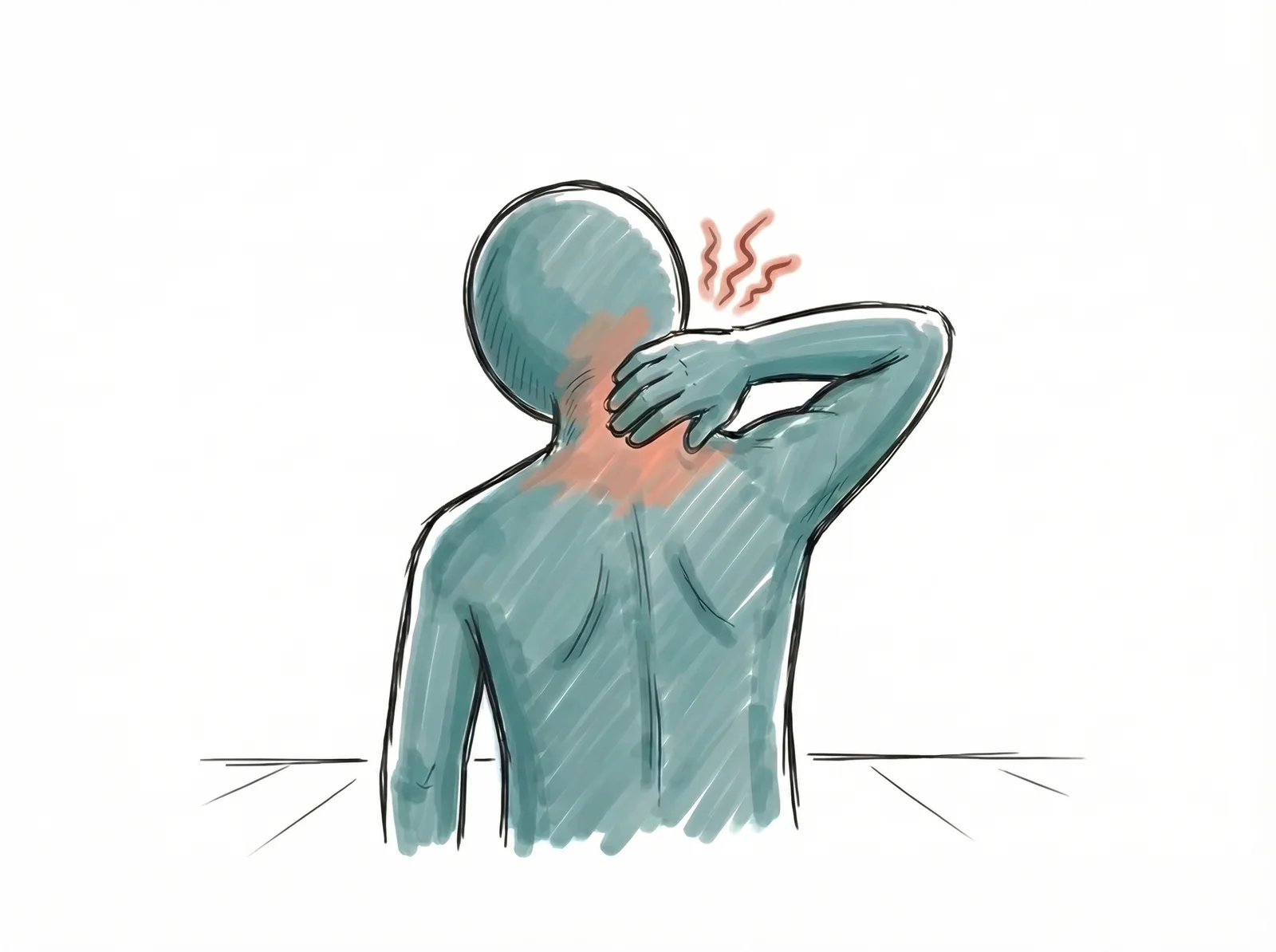
Understanding Your Pain
What's Causing Your Neck Pain
The cervical spine is remarkably complex — seven vertebrae supporting the weight of your head while allowing a wide range of motion. When something goes wrong, the effects can radiate into your shoulders, arms, and hands, or create headaches that make daily life difficult.
Neck pain can originate from cervical disc problems — herniations, bulges, or degeneration in the upper spine. But it can also come from muscle tension, facet joint irritation, postural strain, or other sources unrelated to disc pathology.
Cervical spinal decompression specifically targets the disc-related component. If that's what's driving your pain, it has a rational basis. If it's not, a different approach may serve you better.
When Neck Pain Is Disc-Related
- Cervical disc herniation or bulge confirmed on MRI
- Radiating pain, numbness, or tingling into shoulders, arms, or hands
- Symptoms that correlate with the level of cervical disc pathology
- Incomplete relief from PT, medications, injections, or adjustments
When the Cause Isn't Disc-Related
- —Muscle tension, strain, or postural pain without disc involvement
- —Facet-mediated cervical pain
- —Whiplash-related soft tissue injury without disc compromise
- —Headaches originating from muscular or vascular sources
Already been diagnosed with a cervical condition? Explore specifics:
How It Applies
How Cervical Decompression May Help Neck Pain
Cervical decompression follows the same principles as lumbar decompression but is adapted for the unique anatomy and sensitivity of the neck. The forces are lighter, the positioning is different, and the protocols account for the cervical spine's greater mobility.
Targeted Cervical Unloading
Computer-guided protocols apply controlled forces specifically to the cervical spine, reducing load on affected segments. The forces used are significantly lighter than lumbar protocols — the cervical spine requires less force and greater precision.
Addressing the Disc Environment
Reduced compression at the cervical level influences intradiscal pressure and supports fluid exchange — the same principles that apply in the lumbar spine, adapted for cervical disc biology.
Reducing Nerve Irritation
Cervical disc problems frequently produce radiating symptoms into the shoulders, arms, and hands. As the mechanical environment around compressed nerves changes, nerve tolerance may improve — potentially reducing the radiating pain, numbness, and tingling.
Cervical decompression requires specific equipment
Not all decompression tables are designed for cervical treatment. Effective cervical protocols require equipment with dedicated cervical attachments, appropriate force ranges, and positioning that accounts for the neck's anatomy. This is one of the reasons provider and equipment quality matter — a table designed only for lumbar treatment cannot safely or effectively address cervical conditions.
“"In my experience, the biggest predictor of outcome isn't the severity of the condition — it's whether the provider used proper equipment and followed a structured protocol. That's why standardization matters."
Setting Expectations
What Patients with Neck Pain Typically Experience
These are observed patterns from clinical practice, not promises. Individual responses depend on the specific cause, severity, and compliance with treatment protocols.
Arm and Hand Symptoms Often Improve First
When neck pain is disc-related, the radiating symptoms — pain, numbness, or tingling in the shoulders, arms, or hands — frequently begin improving before the localized neck pain itself resolves.
Range of Motion May Improve Gradually
Patients often notice they can turn their head further, look over their shoulder while driving, or hold a position at a desk longer before stiffness or pain returns.
Sleep Quality Often Improves
Neck pain significantly disrupts sleep. As symptoms improve, patients frequently report sleeping through the night or finding comfortable positions more easily — a meaningful quality-of-life change.
Individual Responses Vary
Some patients experience significant relief. Others moderate improvement. A small percentage may not respond meaningfully. Completing a full course of care is important before drawing conclusions.
About early aggravation
Some patients experience temporary symptom increases during early cervical sessions. The cervical spine can be more sensitive than the lumbar spine, and this adaptation period — while uncomfortable — typically resolves as treatment progresses. Providers monitor this closely and adjust protocols as needed.
Candidacy
Is Cervical Decompression Right for Your Neck Pain?
Not everyone with neck pain is a candidate for cervical decompression. The same screening principles apply as with lumbar treatment — candidacy depends on the cause, your imaging, treatment history, and whether contraindications exist.
An additional factor with cervical cases is equipment capability. Not all providers have the equipment or training to perform cervical decompression effectively. Preferred providers on this platform are verified for cervical treatment capability.
General contraindications include:
The only reliable way to determine candidacy is a professional evaluation with a provider who has cervical decompression capability and understands the nuances of cervical disc pathology.
Common Questions About Neck Pain & Decompression
Answers specific to cervical decompression patients.

Is cervical decompression different from lumbar?
Yes. The forces are lighter, positioning is different, and specific cervical attachments are required. Not all tables or providers are equipped for cervical treatment.
Read More →
Is it safe to decompress the neck?
When properly screened and performed with appropriate equipment, cervical decompression has a favorable safety profile. The forces are gentle and continuously monitored.
Read More →
Can this help with headaches from neck problems?
If headaches are being driven by cervical disc pathology or nerve involvement, addressing the underlying cause may help. Headaches from other sources require different approaches.
Read More →Related Pages


Find a Preferred Provider
Enter your zip code to see if a credentialed provider is available near you.
Why choose a preferred provider?Ready to Find Out If You're a Candidate?
Take our quick 3-minute assessment to see if spinal decompression may be appropriate for your situation. It's free, confidential, and takes just a few questions.
Take the AssessmentGet Started
We've got your info!
We don't have a preferred provider in your area just yet, but we'll reach out as soon as one becomes available.