
Back Pain and Spinal Decompression
Back pain has many possible causes — and not all of them respond to the same treatment. Understanding what's driving your pain is the first step toward knowing whether spinal decompression is worth exploring.
 Back pain is a symptom, not a diagnosis. The cause determines whether spinal decompression has a rational basis for your situation.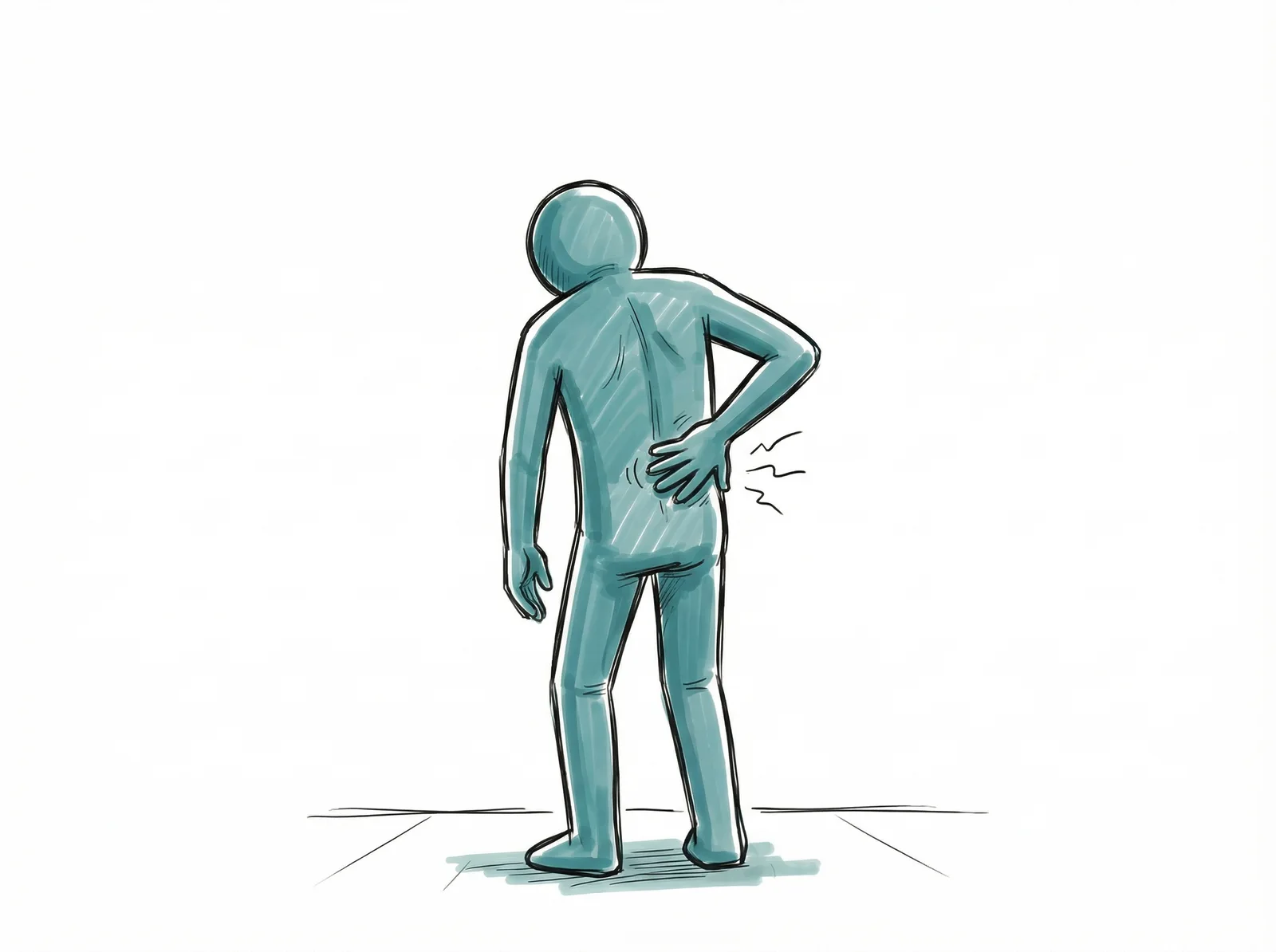
Understanding Your Pain
What's Actually Causing Your Back Pain
"Back pain" describes a symptom, not a specific condition. Some back pain originates from disc problems — herniations, bulges, or degeneration that alter how load is distributed across spinal structures.
Some comes from facet joints, sacroiliac dysfunction, muscular imbalances, or other sources that have nothing to do with the discs at all. This distinction matters because spinal decompression specifically targets disc-related mechanics.
When Back Pain Is Disc-Related
- Pain associated with disc herniation, bulging, or degeneration confirmed on imaging
- Symptoms that correlate with the level and location of disc pathology
- Incomplete relief from PT, medications, or injections
- Seeking a non-surgical option before more invasive interventions
When the Cause Isn't Disc-Related
- —Pain primarily muscular, postural, or related to deconditioning
- —Sacroiliac joint dysfunction or facet-mediated pain
- —Imaging doesn't show disc involvement correlating with symptoms
- —Contraindications such as fractures, severe osteoporosis, or instability
Already been diagnosed? Explore your specific condition:
How It Applies
How Spinal Decompression May Help Back Pain
When back pain is related to disc compression, the rationale for decompression is relatively straightforward. Here's what the therapy is designed to do — and what it isn't.
Controlled Unloading
Computer-guided protocols apply precise, calibrated forces to reduce mechanical load on specific spinal segments. The system adjusts in real time based on your body's response — including muscle guarding patterns that would otherwise resist the intended effect.
Altering the Disc Environment
Reduced loading influences intradiscal pressure and supports fluid exchange within the disc. These are changes to the mechanical environment that support healing — not a direct repair of tissue.
Supporting Functional Recovery
Over a structured course of treatment, patients may experience improved mobility, increased tolerance to movement, and reduced pain. The body does the healing — the therapy supports the environment in which that can happen.
This is not traction, inversion, or stretching
Clinical spinal decompression uses FDA-cleared equipment with real-time biofeedback and continuous micro-adjustments. If a patient coughs during treatment, some systems stop immediately — that's the level of precision involved. Simple traction applies fixed force without monitoring your body's neuromuscular response.
"The difference isn't marketing — it's physics. If your muscles can fight the pull, your disc doesn't decompress. The technology exists to work around this."
“"The patients who do best with decompression are the ones whose providers take the time to confirm the diagnosis matches the therapy. When the indication is right and the equipment is proper, the outcomes speak for themselves."
Setting Expectations
What Patients Typically Experience
Outcomes vary — and anyone who says otherwise before evaluating you is oversimplifying. These are observed clinical patterns, not promises.
Gradual Improvement
Most patients who respond notice changes developing over a course of treatment — not after a single session. The process is rehabilitative.
Function Improves Before Pain Scores
Patients frequently report sitting longer, sleeping better, or moving without bracing — before their pain number changes on a scale. Function tends to lead symptom relief.
Completing Care Matters
Most patients complete care within 20–30 visits. Discontinuing early — especially during initial phases — often leads to premature conclusions about effectiveness.
Individual Responses Vary
Some patients experience significant relief. Others moderate improvement. A small percentage may not respond meaningfully. No treatment works for everyone.
About early aggravation
Some patients experience a temporary increase in symptoms during early sessions. This reflects the nervous system adapting to a change in the mechanical environment — not the condition getting worse. Patients who continue through this phase typically see it resolve, often followed by meaningful improvement.
Candidacy
Is Spinal Decompression Right for Your Back Pain?
Not everyone with back pain is a candidate for spinal decompression. Saying that openly is part of how this platform operates — if a therapy isn't right for you, knowing that early saves time, money, and frustration.
Candidacy depends on multiple factors: the cause of your pain, your imaging findings, your treatment history, and whether any contraindications exist. This is determined through clinical evaluation, not a website.
General contraindications include:
The only reliable way to determine candidacy is a professional evaluation with a provider who understands both the therapy and your specific condition. A website can inform — it cannot diagnose.
Common Questions About Back Pain & Decompression
Honest answers to the questions patients actually ask.

I've tried everything. Why would this be different?
PT strengthens. Injections manage inflammation. Adjustments address joint mobility. Decompression does something mechanically distinct — whether it matters depends on the cause of your pain.
Read More →
Will I have to keep coming forever?
No. Corrective care has a defined endpoint — typically 20–30 visits. Maintenance for degenerative conditions is optional, separate, and never required.
Read More →
How much does this cost?
Costs vary by provider and region. The Total Relief Care Plan provides a single, flat-cost investment covering all corrective care through completion.
See Cost Guide →Related Pages


Find a Preferred Provider
Enter your zip code to see if a credentialed provider is available near you.
Why choose a preferred provider?Ready to Find Out If You're a Candidate?
Take our quick 3-minute assessment to see if spinal decompression may be appropriate for your situation. It's free, confidential, and takes just a few questions.
Take the AssessmentGet Started
We've got your info!
We don't have a preferred provider in your area just yet, but we'll reach out as soon as one becomes available.